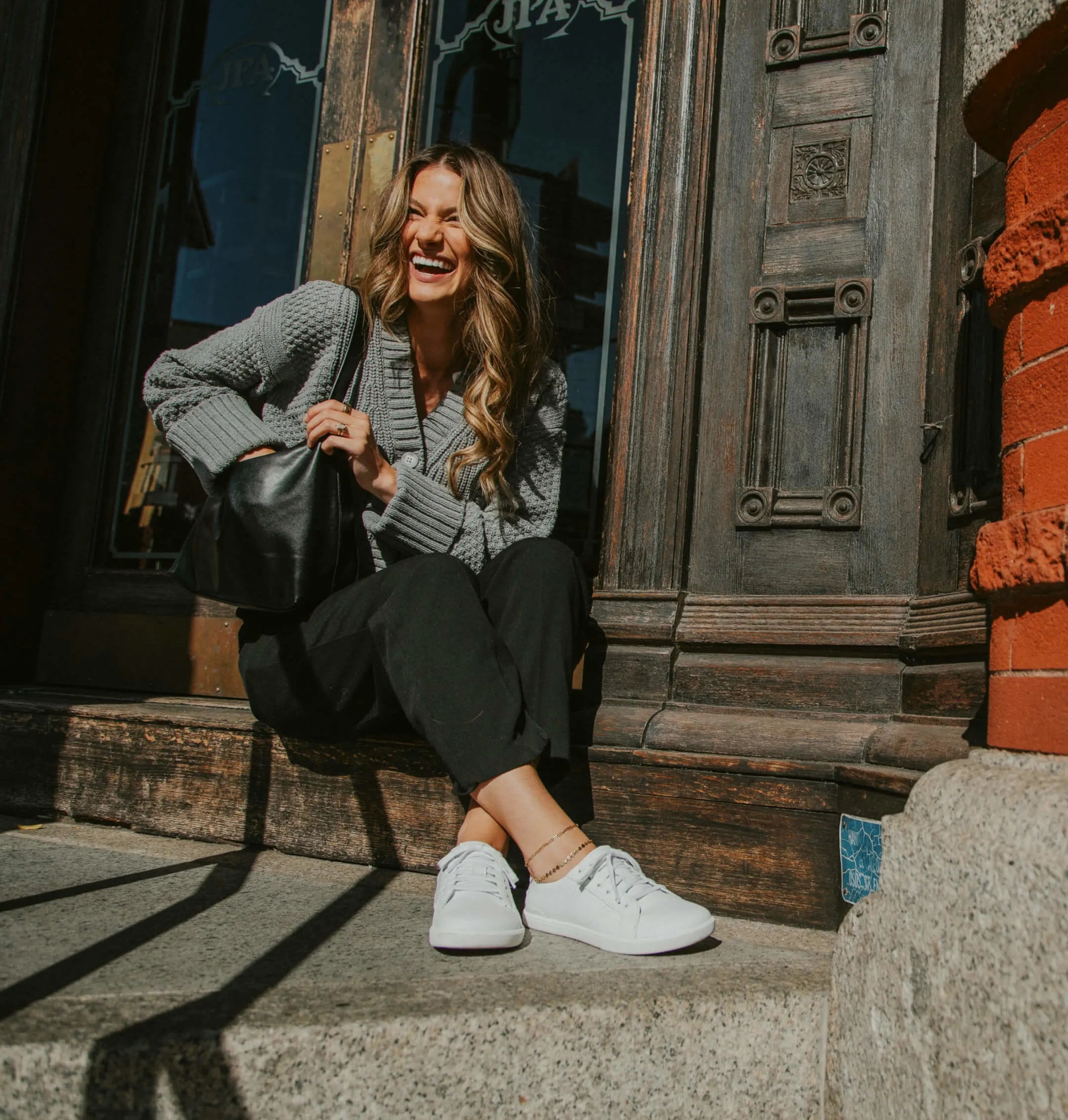
An In-Depth Look at Barefoot Shoes
Barefoot Shoes Explained
Described frequently as minimalist footwear, barefoot shoes emphasize a natural feel when walking or running, resembling the actual experience of being without shoes.
Equipped with a thin sole, minimal padding, and a flexible design, these shoes help create a true connection with the ground.
The essence of barefoot running shoes lies in their ability to allow the foot's muscles to engage effectively, encouraging a more efficient running form.
With growing awareness among consumers about the potential advantages of barefoot shoes, such as increased foot strength and better posture, interest in minimalist footwear is rising, attracting both athletes and casual users.
Barefoot shoes are on the rise, reflecting a transition from typical footwear known for its excessive padding and support.
Studies show that traditional shoe designs might lead to foot weakness and negatively impact biomechanics in the long run.
On the other hand, barefoot shoes support a natural gait and enhance balance, all while fortifying the intrinsic muscles of the foot.
Brands like Vibram, Merrell, and Xero Shoes have popularized this movement, offering a range of styles suited for various activities, from running to everyday wear.
Furthermore, these shoes are made with lightweight and breathable materials that offer comfort while maintaining high performance.
For consumers interested in transitioning to barefoot shoes, gradual adaptation is essential.
You should start with short intervals of barefoot running shoe usage in your daily life to let your feet get used to less cushioning.
It's recommended to initiate your routine with mild exercises that enhance the strength of your feet and ankles, such as toe curls and calf raises.
Eventually, you can extend the time and intensity of your barefoot shoe use, supporting a more instinctive walking manner.
Understanding the core concepts of barefoot shoes and mindfully managing your transition can lead to advantages in adopting a more health-conscious and connected movement style.
Advantages of Minimalist Footwear
Barefoot shoes are designed to mimic the sensation of being barefoot but with essential protection. One significant benefit of wearing barefoot shoes consists of the development in foot strength. Traditional footwear often obstructs natural foot movement, leading to weakened muscles over time. In contrast, barefoot shoes foster the use of muscles within the feet, allowing them to strengthen and maximize capability. To exemplify, a runner who switches to barefoot shoes may notice enhanced stability and agility due to the amplified engagement of these muscles, allowing for more traction and balance in different activities.
Additionally, barefoot shoes contribute to better posture, which is important for overall body alignment and physical health.
The use of raised heel conventional shoes may disrupt a person's standing posture and misalign the spine.
Barefoot shoes, with their flat sole design, encourage a more natural walking and running pattern.
This is illustrated by athletes that include barefoot shoes in their training schedules.
They typically report less lower back pain and better overall body alignment.
This, in turn, boosts their athletic performance.
Moreover, feet-friendly shoes help with injury reduction. Several popular running injuries, for example heel pain alongside stress fractures, result from inadequate shoe selections. Foot-friendly footwear support a neutral foot strike in place of a heel strike, which minimizes impact stress on joints. Easing into using barefoot shoes enables the body to adapt, thus reducing the chance of injury. A good strategy is advisable to commence with short walks or runs in these shoes and increase step by step the duration and intensity depending on comfort levels. Such a method gets the body ready in tandem with maximizing the benefits of injury prevention.
Ultimately, the feedback from the ground received through barefoot shoes stands out as a key advantage. These thin soles enable users to feel the surface below them, enhancing their proprioception, which is the awareness of body position and movement. Such sensations contribute to developing a more instinctive comprehension of balance and foot positioning, very beneficial for both athletes and fitness enthusiasts. For newcomers to barefoot shoes, engaging in activities like yoga or simple walks can enhance this sensory feedback, which aids in achieving better coordination and enhanced performance in more vigorous sports. Embracing barefoot shoes in your lifestyle can offer numerous health benefits that surpass just improving foot health.
Types of Barefoot Shoes
Many people are now choosing barefoot shoes for a more organic experience while running or walking.
There are several types of barefoot shoes tailored to distinct activities and individual needs, enabling consumers to find a suitable fit for their lifestyle.
Included in this selection are barefoot running shoes, which are crafted to imitate the experience of running barefoot while offering foot protection.
Usually, these shoes include a low heel-to-toe drop, which supports a more natural gait and encourages striking with the forefoot or midfoot.
Popular models like the Vibram FiveFingers and Merrell Vapor Glove exemplify minimalist running shoes that prioritize lightweight construction and flexibility to enhance proprioception.
When considering outdoor activities, barefoot hiking shoes provide distinct attributes suited for different terrains while adhering to the fundamental aspects of barefoot shoes.
They feature tough outsoles that deliver exceptional traction and flexibility, essential for navigating trails or rocky surfaces.
Furthermore, these shoes are typically made from water-resistant or breathable materials, allowing them to adjust to different weather scenarios.
Models such as the Xero Shoes TerraFlex and Vivobarefoot Primus Trail are excellent recommendations as they provide the support necessary for long hikes while allowing the foot to move naturally.
In selecting barefoot hiking shoes, it's important to take into account fit, climate, and the specific conditions of your hiking trails for optimal performance.
Barefoot casual shoes embrace minimalist design for daily use, blending aesthetic and ease. These shoes usually feature a timeless style and are easy to wear, which makes them appropriate for multiple events. Brands like Wildling Shoes and VivoBarefoot provide choices which not only promote healthy foot habits and cater to the fashion-conscious consumer. A notable aspect of barefoot casual shoes is the spacious toe section, which allows the toes to splay naturally. In choosing casual barefoot shoes, seek out multifunctionality, materials that breathe, along with a flexible sole suitable for daily activities without compromising ease or fashion.
Ultimately, barefoot work shoes are constructed to harmonize minimalistic design with relevant safety aspects for occupational spaces. The shoes are designed with comfort in mind, suitable for extended wear, while also offering slip-resistant and durable features. Shoes like the Lems Mesa and Argis Lite are excellent examples, delivering essential features like zero drop and a light construction. As you select barefoot work shoes, consider the unique demands of your occupation, including exposure to risks, and ensure that the footwear adheres to the necessary safety regulations. Evaluating these factors allows you to enjoy the benefits of barefoot shoes while ensuring comfort and protection in your professional environment.
Strategies for Selecting the Right Barefoot Footwear
When choosing barefoot shoes, it is important to understand your foot type, activity level, and your personal preferences.
Initially, you should evaluate your foot type; figuring out whether you have a high arch, flat feet, or a neutral arch is important.
For instance, those with high arches may require extra cushioning and support, while individuals with flat feet might benefit from a more stable design that offers mild arch support.
Visiting a local store that specializes in minimalist footwear is recommended, as knowledgeable staff can assess your gait and foot structure.
Such analysis is essential to guarantee that the shoes you pick fit your anatomical needs, maximizing both comfort and performance.
Next, take a look at your activity level. If you are an athlete or enjoy outdoor activities like hiking or trail running, look for barefoot shoes specifically designed for these pursuits. For example, labels like VivoBarefoot and Merrell present options with improved traction and durability that are ideal for rough terrains. In contrast, if your activities lean more towards casual, such as walking and light jogging, a simpler shoe with a flexible sole may be just what you need. As you choose shoes, make sure to look into their sole thickness, flexibility, and weight, as these characteristics play a crucial role in both performance and user experience. Your choice should align with how you plan to use the shoes in your everyday life.
The choice of barefoot shoes is greatly influenced by individual likes and dislikes. The style, color, and materials of shoes can substantially affect your happiness with them, so it’s important to select a shoe you enjoy. Should natural materials be your preference, consider looking for footwear crafted from leather or organic cotton. Alternatively, if sustainability is important to you, many brands focus on eco-friendly practices. Evaluating the comfort of shoes is paramount; spend time walking around the store and simulate your usual activities while wearing them. Take note of any discomfort or pressure points that may occur, because this can guide you in identifying the right fit and style for your feet.
To sum up, combining these various factors—such as foot type, activity level, and your individual preferences— contributes to a more informed decision in picking barefoot footwear. Think about tracking your discoveries from visiting stores and online investigations to monitor models that meet your criteria. Additionally, engaging with forums dedicated to minimalist footwear that center around minimalist shoes can give you perspectives and reviews from other enthusiasts. Such forums frequently talk about their firsthand experiences, contributing to making your selection process easier. Considering these details boosts your quest in discovering the right pair of barefoot shoes that fit seamlessly into your lifestyle.
2025's Top Five Barefoot Shoes
In 2025, there's a remarkable variety of barefoot shoes available, designed to meet the increasing desire for minimalist footwear that emphasizes comfort and practicality.
The Vivobarefoot Primus Lite III is one of the standout barefoot shoes in 2025, recognized for its lightweight build and outstanding flexibility.
Designed for both everyday wear and athletic activities, this model features a breathable mesh upper and a signature sole that allows for natural foot movement.
Those who have tried it claim that it offers a barefoot feel while maintaining adequate grip and protection, making it an excellent fit for both runners and casual wearers.
Another appealing aspect is its eco-friendliness, as it incorporates recycled elements in its construction, catering to eco-aware consumers.
One of the best contenders in the minimalist shoes 2025 category is the Merrell Vapor Glove 4.This footwear provides a snug fit that enhances stability, which is great for trail running and other outdoor adventures. The outsole is engineered for superior traction, ensuring that you stay grounded on different surfaces. What differentiates the Vapor Glove 4 is its zero-drop platform, promoting a natural stride, which is particularly beneficial for those transitioning to barefoot running.The shoe's lightweight and streamlined design are perfect for those who appreciate agility and responsiveness in their footwear,improving performance without sacrificing comfort. For those in search of shoes for outdoor activities, the Merrell Vapor Glove 4 is a top choice.
When it comes to versatile footwear, the Xero Shoes Prio is a great choice. This model provides an excellent blend of protection and comfort while allowing your feet to move freely. Thanks to its flexible sole and adjustable fit, the Prio is ideal for a wide range of activities, including hiking and gym workouts. One notable feature is its durable construction, designed to handle rough conditions while maintaining a barefoot-like feel. Users have noted that the shoe contributes positively to foot health by encouraging proper biomechanics and reducing the risk of injury. If you want a performance shoe that represents the minimalist philosophy, the Xero Shoes Prio merits consideration.
In conclusion, the Altra Escalante Racer completes our selection of the best barefoot shoes for 2025. While it does favor a more cushioned design, it still encompasses essential qualities of a minimalist shoe. The Escalante Racer offers a spacious toe box and a lightweight design, striking a balance between comfort and natural foot movement. It is a favorite among runners seeking a moderate level of cushioning while still embracing the barefoot experience. The blend of responsiveness and lightweight agility it offers makes it an attractive choice for individuals aiming to improve their running experience while retaining the advantages of barefoot technology. Opting for any of these leading barefoot shoes ensures a superb fusion of performance and foot health for 2025.
Questions That Are Frequently Asked
Barefoot shoes are unique footwear crafted to simulate the experience of walking or jogging barefoot.|They are characterized by low cushioning, a spacious toe box, and a flexible sole that enables your foot to move in a natural manner.} These shoes support a more natural gait, which improves foot strength and alignment while read more offering ground feedback.
Using barefoot shoes may improve foot strength and flexibility, promote better balance, and promote a natural gait cycle. Many users report feeling more comfortable and experiencing less foot pain, especially for those transitioning from traditional shoes. Additionally, barefoot shoes can help strengthen the muscles in your feet and lower legs over time.
Those who suffer from particular foot conditions or injuries, including plantar fasciitis or significant overpronation, may not benefit from barefoot shoes.
It's important to seek advice from a healthcare professional if you have pre-existing foot problems before making the switch to barefoot shoes.
Generally, people with healthy feet can gain advantages from barefoot shoes, but it's important to adapt gradually.
Transitioning to barefoot shoes should be a gradual process to avoid injury.
Initially, wear them for a short period, around 30 minutes to an hour each day.
Increase the time worn as your feet adapt.
It's also advisable to incorporate foot strengthening exercises and avoid high-impact activities during this initial phase.
Certainly, natural running shoes tend to be sought after with people who run seeking a more authentic way to run. These shoes foster natural form and may lower the likelihood of injuries. On the other hand, runners need to gradually increase their distance in this type of footwear, as the limited cushioning might prove to be hard for those new to such footwear or people used to traditional footwear.
Cleaning barefoot shoes typically involves removing dirt and debris with a soft brush or cloth.
Numerous models can be washed in a machine, yet it's crucial to review the manufacturer's care guidelines.
It is advisable to air dry them, as heat could harm the materials of the shoes.
Consistent cleaning helps maintain their fresh appearance and prolongs their lifespan.
As you look for barefoot shoes, consider elements such as fit, flexibility, and breathability. Aim for a wide toe box that facilitates natural toe splaying and a lightweight design. In addition, ensure the sole is sufficiently thin to provide ground feel while maintaining comfort. Don’t forget to take into account your intended use, whether it’s for casual wear or specific sports.
Wrap-Up
In conclusion, barefoot shoes represent an innovative way to approach footwear, stressing the importance of natural movement, better foot health, and increased sensory feedback.
In this guide, we delved into the many perks of barefoot shoes, like fostering proper posture, enhancing foot muscle strength, and mitigating the risk of injuries typically associated with regular shoes.
We also investigated the essential characteristics to consider when choosing the perfect pair, such as flexibility, minimal cushioning, and a spacious toe box.
When contemplating a move to barefoot shoes, it's essential to take this change step-by-step, allowing your feet to acclimate to the new style. Whether you’re a competitive athlete wanting to enhance your performance or just someone focusing on comfort and health, adopting the practices outlined can lead to a more natural and satisfying walking experience.
Capitalize on this chance to reconnect with the surface beneath your feet and acknowledge the diverse benefits that barefoot shoes have to offer.
{Begin your journey toward a healthier lifestyle today—your feet will be grateful for it!|Start moving towards a healthier lifestyle now—your feet will appreciate the decision!|Take the first stride toward a healthier way of life today—your feet will express gratitude for it!|Commence your path to a better lifestyle today—your feet will certainly thank you for it!|Launch your journey to improved well-being today—your feet will be thankful for this choice!
Comments on “How do barefoot shoes perform in wet conditions?”